Body Massage in Auckland, Parnell & Rotorua
Deep tissue, relaxation, remedial and sports recovery — one-hour and ninety-minute treatments at all three locations.
Book sixty or ninety minutes with one of our eight therapists. They read your body on the day and adapt — deep tissue where the knots are, lighter work when you want to switch off, sports recovery after a hard week. No fixed protocol; no guesswork.
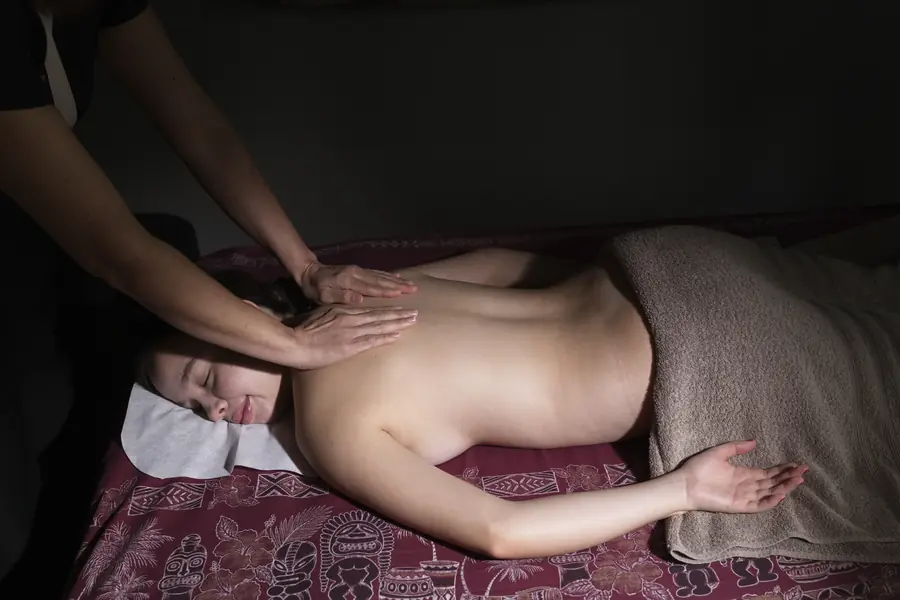
A body massage at Massage Eden is the service most of our clients book first. It's the full-body treatment: sixty or ninety minutes on the table, face-down and face-up, with your therapist working everything from shoulders and neck through the back, hips, legs, and arms. What makes it different from a fixed-menu treatment is that the therapist is trained across a dozen modalities. If your lower back is the main complaint, they spend the time there. If you arrived stressed, they work slower through the neck and scalp. If you trained hard at the weekend, they shift toward sports recovery techniques on the legs. You don't pick a technique when you book — you pick a duration, tell the therapist what's going on, and let them use whatever combination will help. That's the core of what we do.
What you get for your hour.
-
Adapts to your body on the day
No fixed protocol. The therapist assesses as they work — more pressure here, slower strokes there — and adjusts within the same session if something changes. You never get a treatment that ignores what your body is asking for.
-
Trained across every major modality
Eight therapists with training in Deep Tissue, Swedish, Thai, Sports, Remedial, Aromatherapy, Lomi Lomi, Pregnancy, Bamboo, Fusion, Oriental Foot, and Eastern Head massage. Whatever the session needs, it's in the room with you.
-
Genuine hands-on work
Sixty or ninety minutes of active pressure — not a spa-lite rub. The therapist reaches depth where you need it and eases where you don't. Most clients leave looser than when they walked in, and that's the whole point.
-
Three locations, same standard
Auckland CBD, Parnell, and Rotorua. Each studio has the full team and the full range of techniques. Book whichever is closest and you get the same treatment approach — no downgraded site, no junior-only roster.
-
No referral, no paperwork
We're not an ACC provider, which means you don't need a doctor's note, a claim number, or a diagnosis. Book what fits your body on the day, pay directly, and walk in at the time you've booked.
Shaped to what you arrive with.
Most of the clients who book body massage come in with one of three things: back pain, neck and shoulder tension, or a general need to switch off. The treatment is the same service but the session is shaped differently for each. For back pain, the therapist spends longer on the lumbar, glutes, and the muscles along the spine, and uses firmer pressure through the erector group. For neck and shoulder tension — the pattern that builds from desk work, driving, and phone-use — the focus moves to the upper traps, rhomboids, and the neck itself, plus often the scalp. For stress relief, the pressure drops, the strokes get longer, and the rhythm slows. One service, three common shapes. If you're not sure which describes you, the therapist will ask at the start and adjust as the session goes.
Every modality, one session.
You don't pick a technique when you book. Your therapist draws on whichever of these fit the body in front of them : often several in the same hour.
-
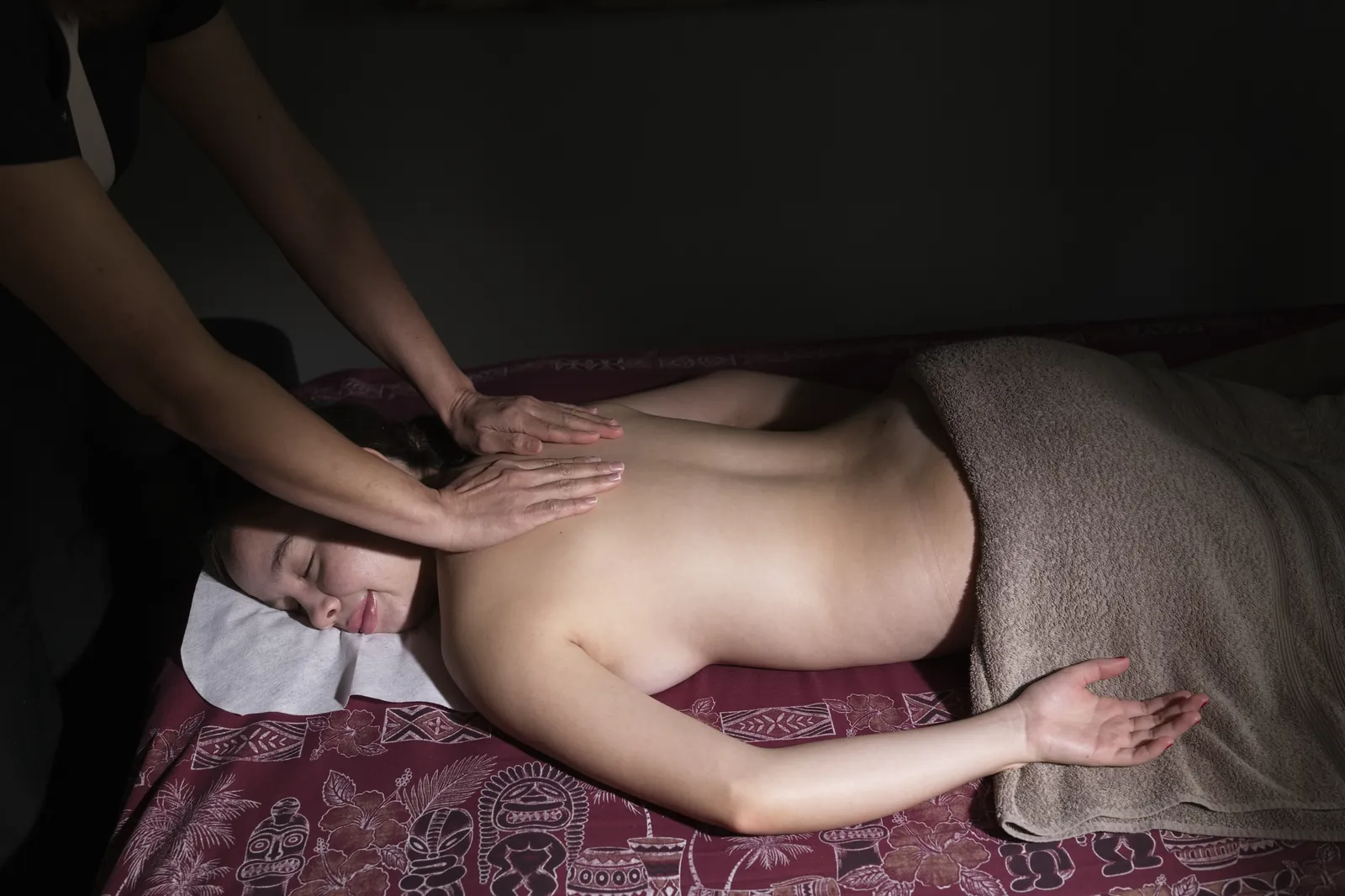
Deep Tissue
Slower, firmer pressure to reach the deeper layers of muscle and fascia. Used where tension has built up over time — the lumbar, the traps, the calves after a hard season. The technique most requested when the brief is 'get into it properly'.
-
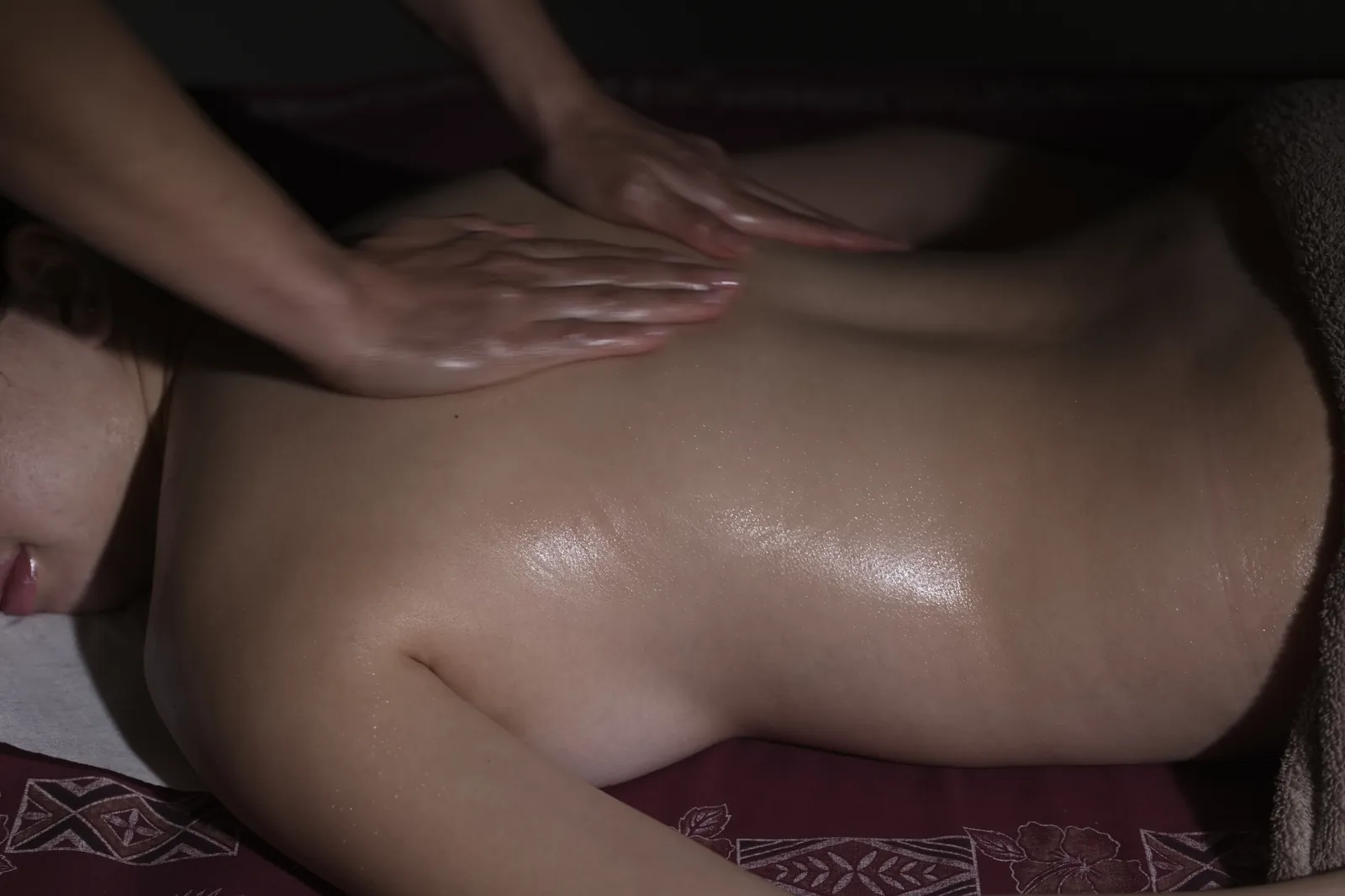
Swedish
The classic relaxation approach — light to medium pressure with long, flowing strokes. Used when the session is about calming the nervous system rather than chasing a specific knot. Common choice for first-time clients and for anyone who wants to switch off for an hour.
-
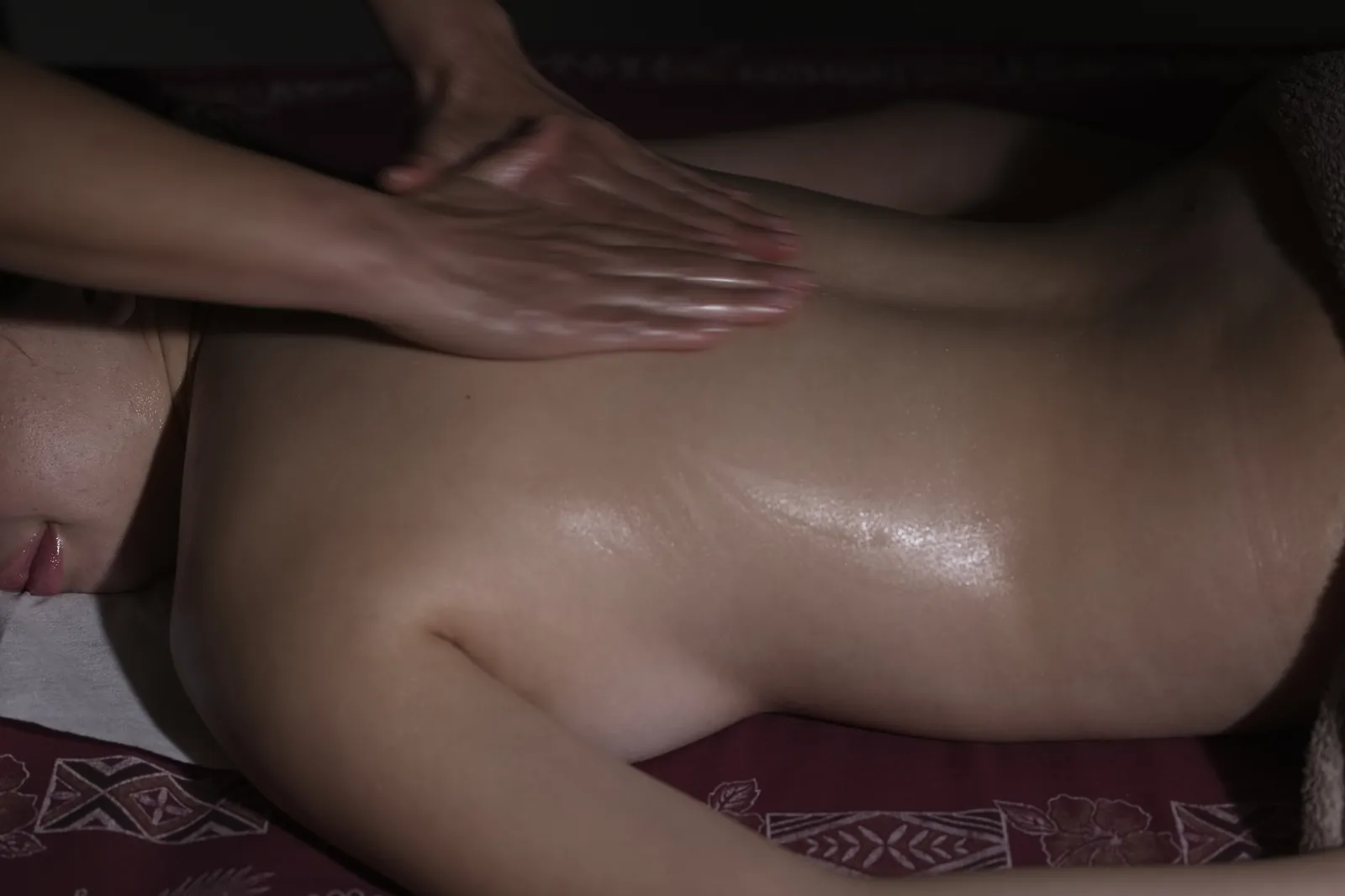
Sports
Recovery-focused work for people who train. The therapist moves through the muscle groups that took the load — legs for runners, shoulders and arms for climbers, hips and glutes after lifting — using a mix of compression, stretching, and targeted release. Book closer to rest days rather than the morning of a big session.
-
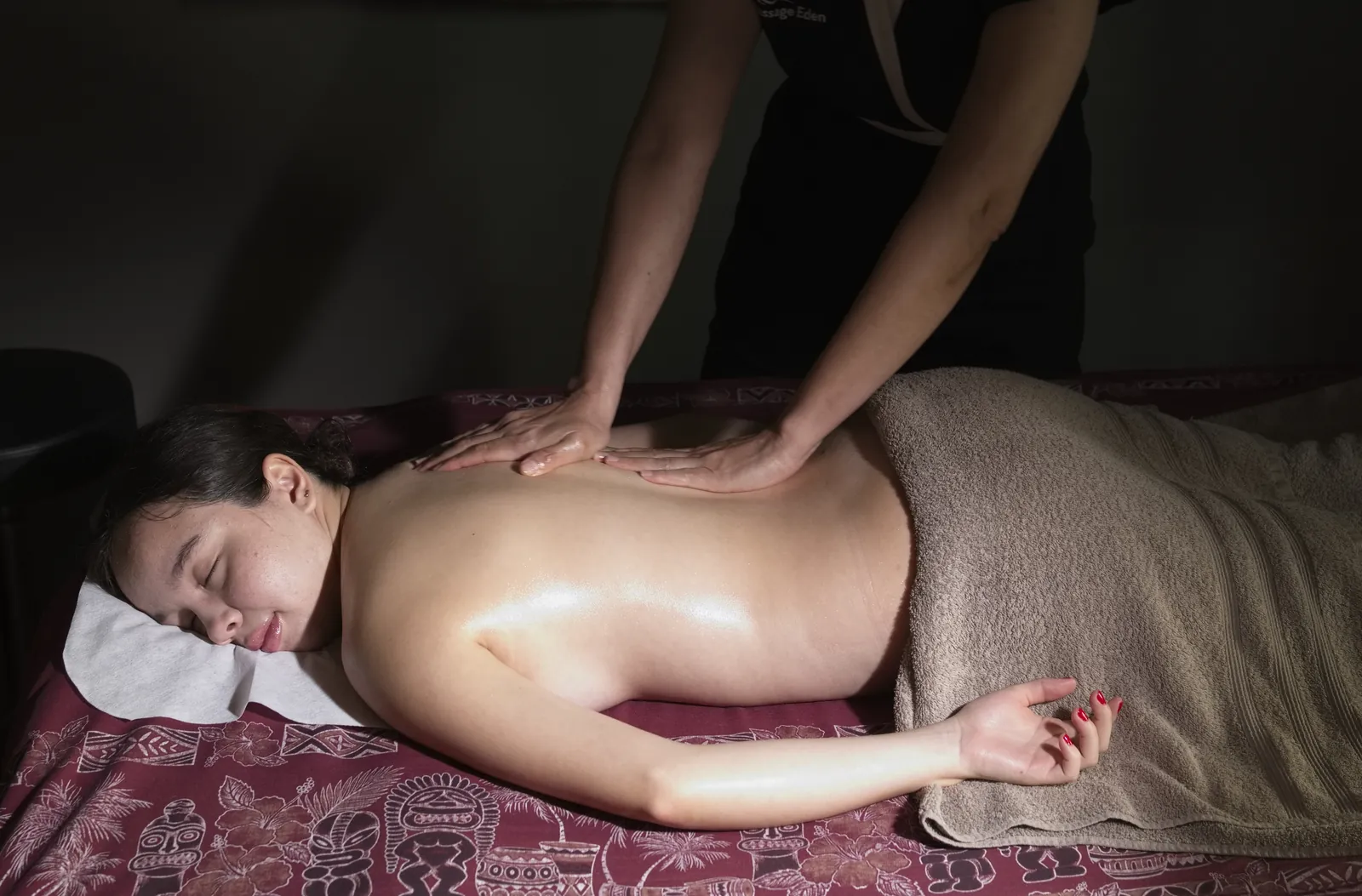
Remedial
Problem-specific work — a frozen shoulder, a recurring sciatic pattern, neck pain that won't settle. The therapist spends more time assessing than in a general session and uses specific techniques between broader strokes. Usually booked as a short series rather than a one-off.
-
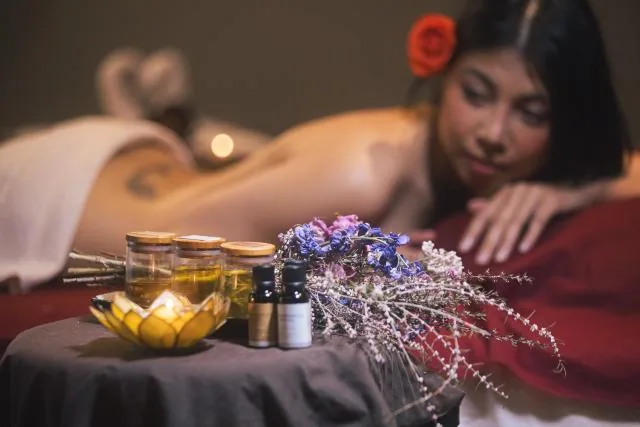
Aromatherapy
Essential oils worked into the massage for their scent and their skin-feel. Used to shift mood as well as muscle — a lavender or eucalyptus blend alongside slower strokes at the end of the day. Tell us at booking if you prefer no scent.
-
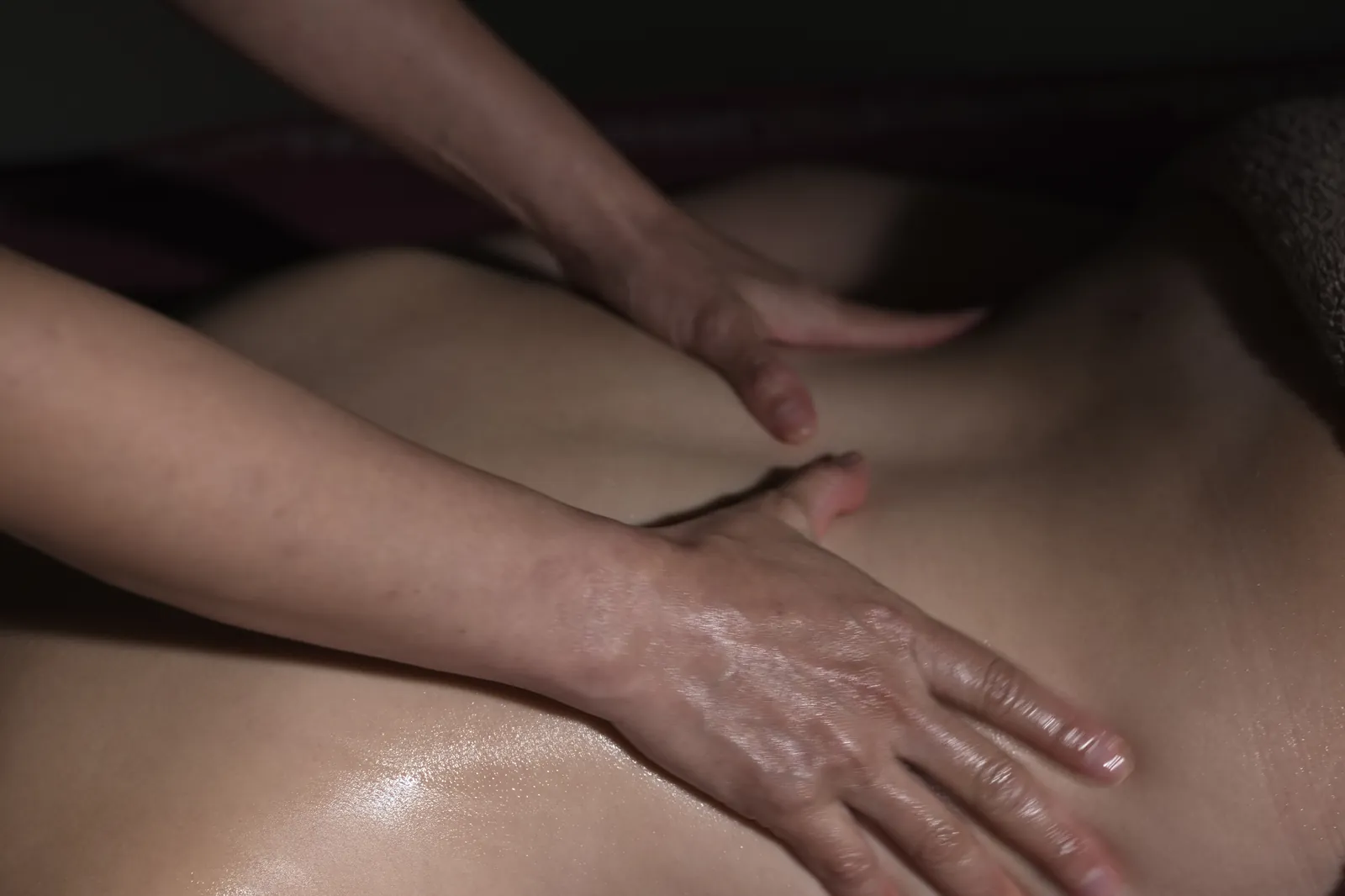
Pregnancy
Massage specifically tailored for pregnancy, with side-lying positioning and pressure adjusted through the trimester. Covers the areas that carry the load — lower back, hips, legs, neck. Please tell us your trimester when you book so we can set the room up properly.
-
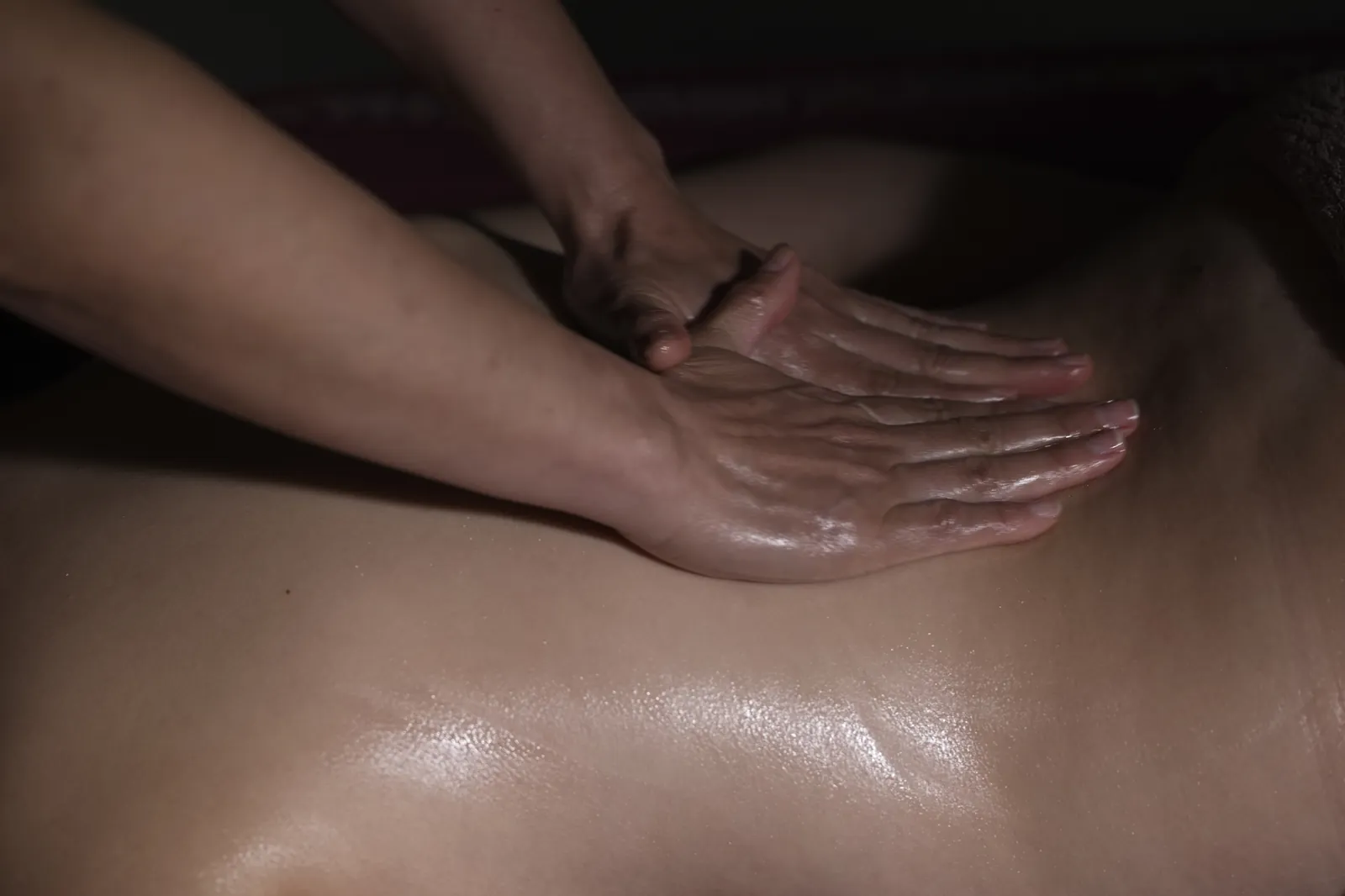
Lomi Lomi
Traditional Hawaiian technique built on long, flowing forearm strokes that move across the body rather than stopping at each muscle. The rhythm is the point — rhythmic, continuous, meditative. Booked when the goal is a full hour of being worked on without interruption.
-
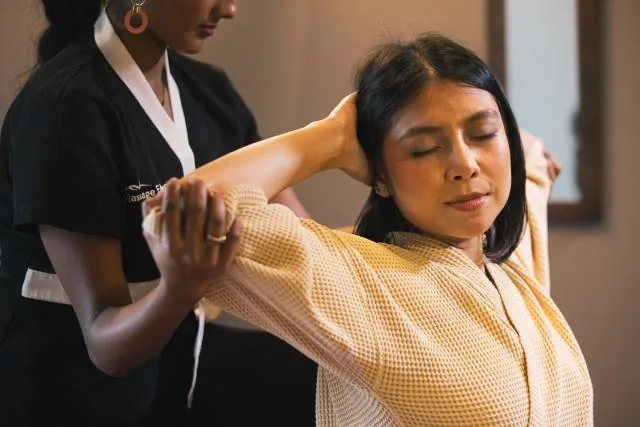
Thai
Traditional Thai massage — oil-less, on a mat, with assisted stretching and pressure along energy lines. The therapist uses hands, forearms, elbows, and sometimes feet to open the hips, lengthen the back, and release the shoulders. Wear loose clothing; you stay dressed throughout.
-
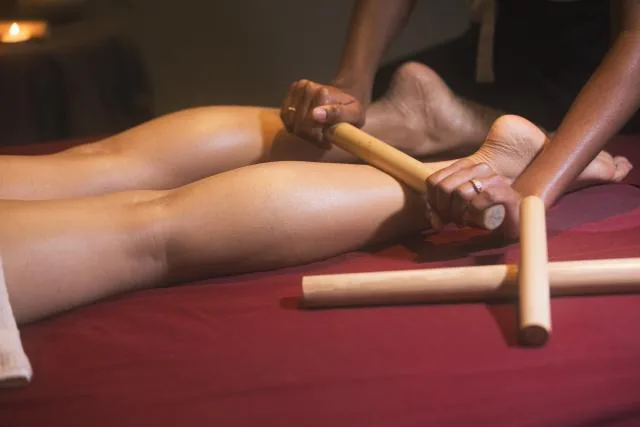
Bamboo
Warmed bamboo cylinders rolled along the muscle to apply broad, even pressure. Used on the back, legs, and arms where the tool reaches depth with less therapist effort, which means the pressure stays steadier for longer. Popular with clients who want firm work without it feeling pointy.
-
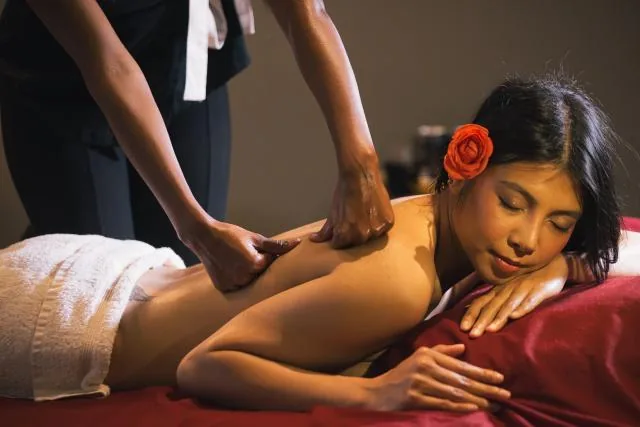
Fusion
Massage Eden's signature blend — eastern pressure-point work woven through western deep tissue and Swedish strokes. The therapist moves between styles depending on what the body is asking for. Book this one when you're not sure what to pick.
-
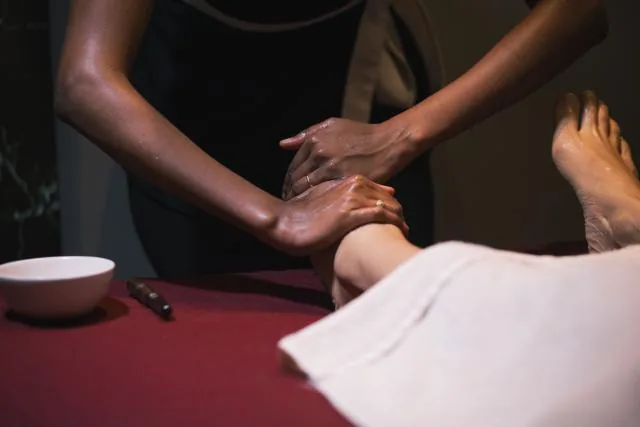
Oriental Foot
Reflexology-based foot and lower-leg work. The therapist applies pressure to specific points on the foot and ankle, working up through the calf. Often booked as an add-on at the end of a body massage — particularly if you've been on your feet all day.
-
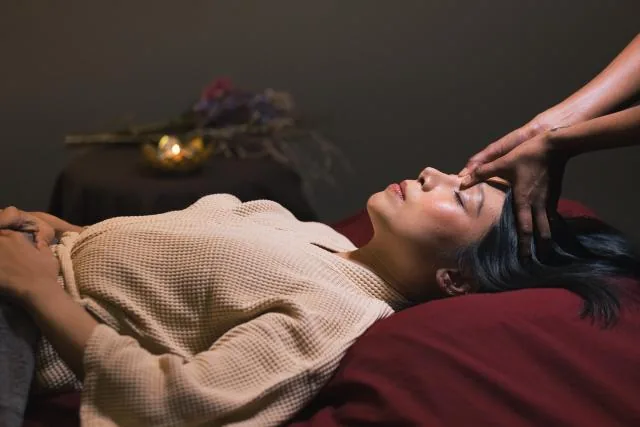
Eastern Head
Slow, focused work on the scalp, temples, neck, and upper shoulders. Gentle strokes rather than deep pressure; the aim is to quiet the nervous system rather than release a specific knot. The add-on most clients ask about twice.
On the day.
- 60min
- from $129
- 90min
- from $179
Arrive five to ten minutes early. You'll fill out a short intake form — relevant injuries, pressure preference, any areas to avoid — then your therapist will bring you through to the treatment room. Undress to your comfort level; professional draping is used throughout, so only the area being worked on is ever uncovered. Most people undress fully and are covered head-to-toe in warmed sheets between strokes, but underwear-on is fine too. Tell the therapist about pressure early and often — say less, more, lighter, deeper, or hold there — because the best session is the one you asked for honestly. After the treatment, take a few minutes to sit, drink water, and come back to the room before driving. Book a follow-up in one to four weeks depending on whether you're treating something specific or maintaining.
Before you book.
-
What's the difference between deep tissue and remedial massage?
Deep tissue uses slower, firmer pressure to reach the deeper layers of muscle. Remedial work is specific — it targets a particular pattern or injury and usually includes stretches or assessments between techniques. In practice, our therapists use both in the same session. If you want more of one or the other, tell us when you book.
-
Should I eat before a massage?
A light meal an hour or two before is fine. Avoid arriving very full — lying face-down is uncomfortable on a heavy stomach — or very empty, which can make you lightheaded during deep work. A glass of water before and after helps.
-
Do I need a referral?
No. We're not an ACC provider, which means no referral, no paperwork, no diagnosis required. Book the treatment that fits what your body is asking for.
-
How often should I book?
If you have specific pain, weekly for three or four sessions often resolves it. For maintenance, monthly works for most people. For active training, fortnightly is common. Start with whatever feels sustainable; our therapists will tell you honestly what rhythm would help.
-
Can I talk during my session?
However you want. Some people chat, some sleep. Say what you want at the start — we'll follow your lead. There's no wrong answer.
-
What if the pressure is too much — or too little?
Tell the therapist. Say less, more, lighter, deeper, hold there — whatever you need. Pressure that feels like pushing through is past the therapeutic zone. The best session is the one you asked for honestly.
Book a body massage at the studio closest to you.
Auckland CBD, Parnell, and Rotorua: same team, same approach, seven days.
Other ways to visit.
-
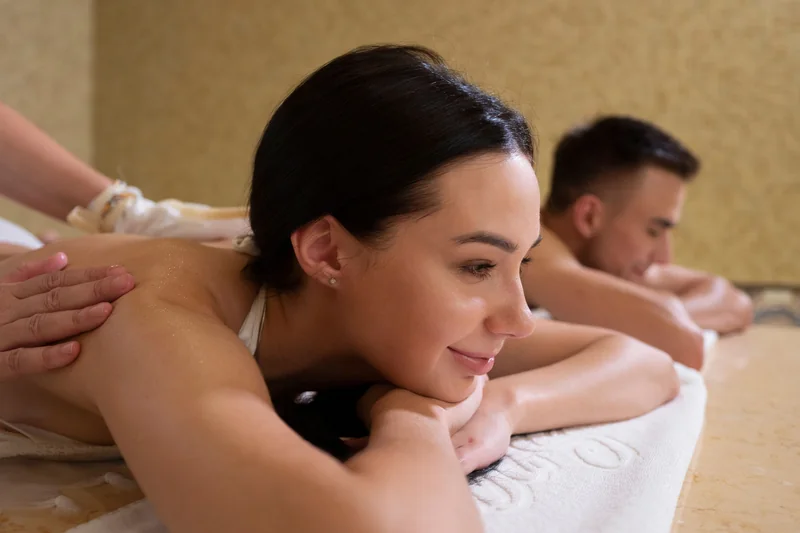 Popular
Couples Massage
Side-by-side treatments for two — one room, two therapists, ninety minutes or two hours.
Learn more -
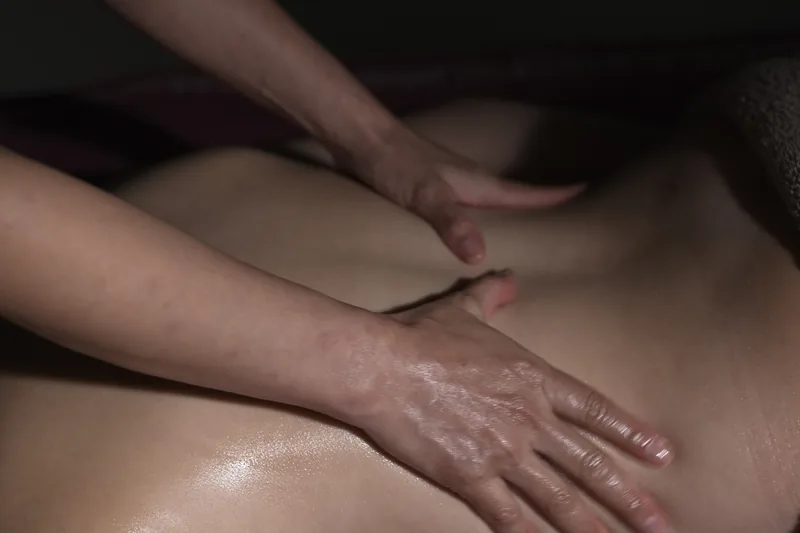 Firm pressure
Deep Tissue Massage
Slow, firm work that reaches the muscle and fascia a relaxation massage never touches.
Learn more -
 Full experience
Spa Packages
Layered treatments — massage, skincare, and heat — as a morning or afternoon away.
Learn more